Cloud PointField Guide

Mid cloud — genus

Altostratus

The featureless grey veil that dims the sun

Written by Laurence WayneEntry No. 16Common

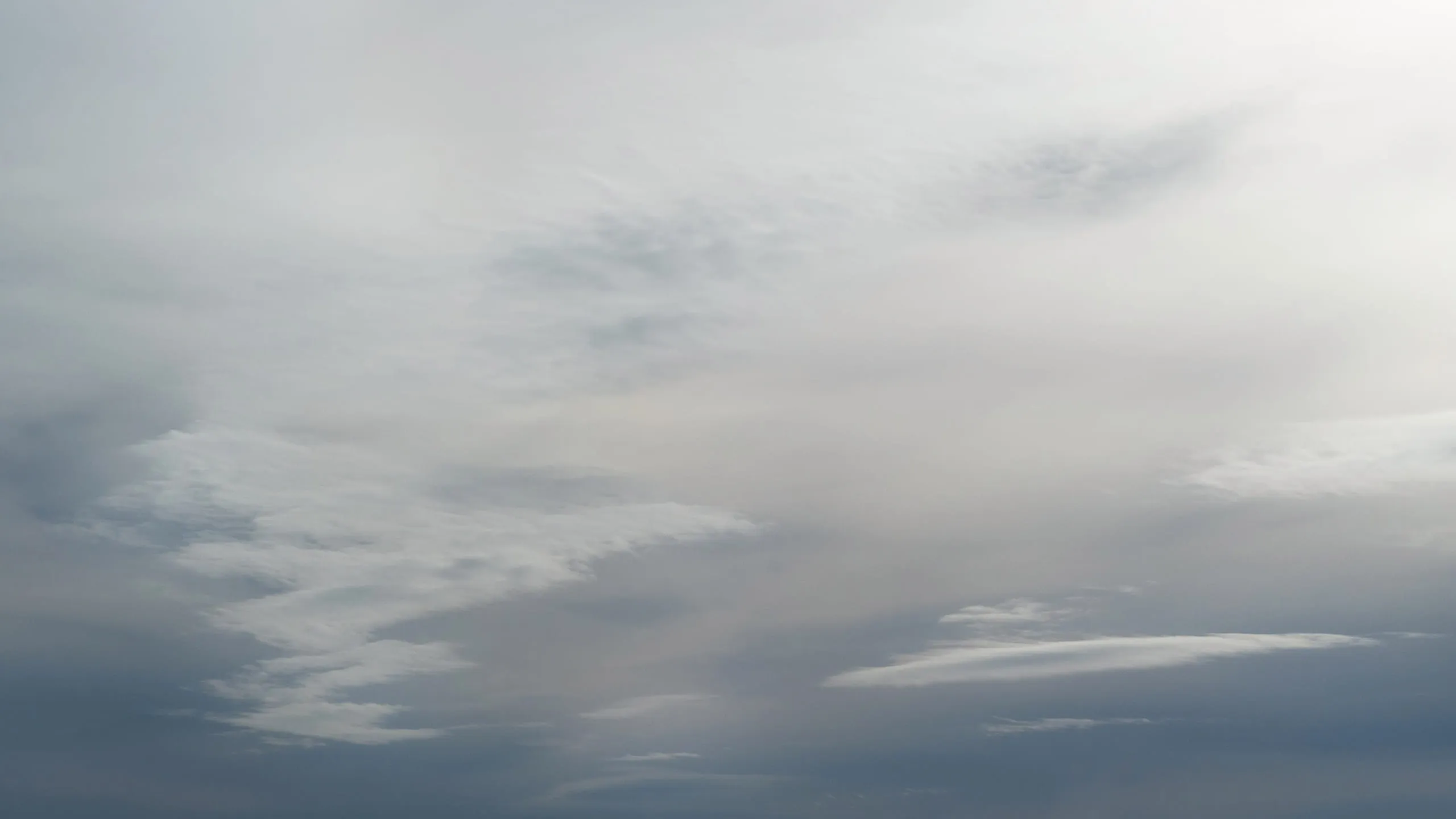
Altostratus: The featureless grey veil that dims the sun
Plate XVIPhotograph by W.carter, CC0 1.0.

Altostratus is a featureless grey or bluish sheet that spreads across much of the sky at mid levels, usually as a warm front approaches. It is thick enough to dim the sun to a pale, watery disc — as if seen through frosted glass — but rarely casts a shadow. When it thickens and lowers into nimbostratus, steady rain or snow is often on the way.

Worth knowing

  • When you can see the Sun through altostratus but it casts no shadows, this is called a 'watery sun'.
  • Unlike cirrostratus, altostratus doesn't produce halos around the Sun or Moon.
  • These clouds can cover areas larger than entire countries!
  • Pilots call the phenomenon of not seeing the ground through altostratus 'flying in milk'.
Note

Still unsure it's the same cloud? Our app, Cloud Point— on iOS and Android — reads a photo and returns the likely type with altitude, useful when a formation is fading faster than you can look it up.
In motion

Test yourselfThree levels

Choose a difficulty

How does the sun appear through altostratus?

  1. aAs a dim, watery disc, as if seen through frosted glass
  2. bAs a sharp disc ringed by a bright halo
  3. cCompletely hidden in total darkness
  4. dSurrounded by tight coloured rings
Show answer

AnswerAs a dim, watery disc, as if seen through frosted glass

Altostratus is a grey veil thick enough to dim the sun to a pale, watery 'ground-glass' disc, usually without any halo.

Altostratus most often forms — and gives warning of — what?

  1. aA clear, settled spell of high pressure
  2. bThe gradual lifting of moist air ahead of a warm front, often heralding rain
  3. cA sudden, isolated summer thunderstorm
  4. dCold, dry desert air
Show answer

AnswerThe gradual lifting of moist air ahead of a warm front, often heralding rain

It forms as a broad layer of moist air is slowly lifted and cooled along a warm front. As it thickens into nimbostratus, prolonged rain or snow frequently follows.

What is the best way to tell altostratus from the higher cirrostratus?

  1. aAltostratus is blue while cirrostratus is grey
  2. bCirrostratus keeps a sharp sun and can produce a 22° halo, while altostratus dims the sun and shows no halo
  3. cOnly altostratus ever appears at night
  4. dCirrostratus is always lower than altostratus
Show answer

AnswerCirrostratus keeps a sharp sun and can produce a 22° halo, while altostratus dims the sun and shows no halo

Cirrostratus is thin enough to leave a sharp sun or moon and often makes a 22° halo. Altostratus is thicker — it dims the sun to a ground-glass disc, casts no crisp shadows, and shows no halo.

Nearby in the guide